Internships are a fantastic avenue for students to gain perspectives into the world of work. However, often supervisors find it hard to have constructive conversations with their proteges. If you have an intern or plan to host an internship, I’m sharing my interview with my intern to spark dialogue. Today, I sit down with my content marketing intern, Lauren, to get at a two-way conversation that aims to enhance her experience and, at the same time, offer other professionals a way to develop alongside their entry-level counterparts. The discussion topic that we cover in this piece is the framework of understanding your professional identity.
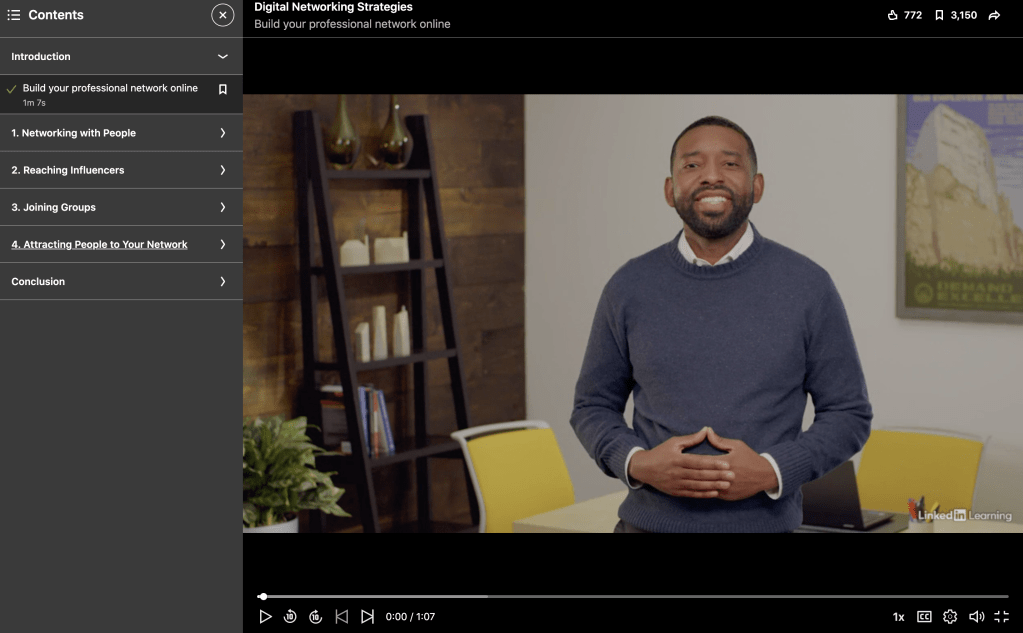
1. Lauren Q: Valerie, I thought I was well versed in successful branding, as a 21-year-old who grew up on social media. However, after watching Christopher Taylors LinkedIn Learning course on Digital Networking, I’ve realized that I don’t have a concrete understanding of this topic. So, in your own words, how do you feel professional and personal branding differ?
For starters, I never liked the term “personal branding.” When we think about the word “personal,” it encompasses elements like family, health, finances, and religion. Throughout your life, those matters are subject to change. I believe this direction of intention is where the critical difference between professional and personal branding lies. While personal branding ebbs and flows, professional branding focuses on forward-thinking and opening doors through learning how you want to be known. Generation x and millennials debate this topic, I find that it is not easy to seamlessly blend your personal life into your career profile. Hence, to ensure one meets their goals, I strongly suggest navigating carefully between the two.
2. Lauren Q: Once you’ve deciphered the differences between these brands, how does an individual create a comprehensive framework?
A comprehensive framework gets compiled through a few different steps. Primarily, I would first recommend looking at your career narrative or story. The narrative element helps build one’s brand and ties in with your mission alignment (aka your passions) by defining what you want to say about yourself. Subsequently, it is pivotal to distinguish what skills you enjoy doing daily. *Note this does not automatically mean the skills you are good at doing. For example, you may be a great writer, but that does not necessarily mean your path is to become an editor. The key here is to understand what you like to do. The third step is to take that know-how and find a work culture that allows you to thrive. Your preferred environment can look like a standard vertical hierarchy or an entrepreneurial vision- it is solely up to you to find the perfect fit. The final piece in a professional framework is establishing your life needs. These needs may alter over time, especially as one’s responsibilities grow, so be sure to check in with yourself often to ensure a healthy balance.
“You may be a great writer, but that does not necessarily mean your path is to become an editor. The key here is to understand what you like to do.”
Valerie Sutton
A brief illustration of my framework is through my passions for fashion, fitness, and careers. My story focuses on exploring and applying career theory, which, in return, utilizes my problem-solving skills to build strategies. When it comes to my preferred work environment, I like an educational setting where I can be intellectually challenged and continually learning. My life requires a work culture that fosters stability and growth.
3. Lauren Q: Reflecting on my past, I figure I have participated in some embarrassing threads and have since changed a lot since those early-grade-school social media posts. How would you suggest integrating personal branding into one’s professional brand?
These threads are a truth a lot of social media veterans face after decades of posting. Some misleading solutions suggest burying the tweet or Facebook comment. However, I believe that route is a missed opportunity for real growth. The reality is that people make mistakes. The crucial difference here is recognizing what you’ve learned and how you can counter your brand in a direction that positively moves forward.

4. Lauren Q: Speaking on behalf of myself and my college peers, we’ve been told interns are an integral part of our professional development. From your experience, what stage should interns be at in their professional branding?
I like to think of careers as an evolving long-term facet of one’s life. Interns are at a unique entry port of their career, which may feel like a lot of pressure. However, if the individual keeps this longstanding perspective in mind, their outlook will hopefully shift from stress to reassurance. From there, they can make a multitude of career decisions following their formed framework, which will only continue to cultivate and enhance their professional brands.
5. Valerie Q: Lauren, what’re your interests?
My interests are currently concentrated on community engagement and public outreach. I am particularly passionate about issues in the spheres of the climate crisis and gender inequity. I find myself drawn toward organizations and events that emphasize the importance of political activism and voting.
“I find myself drawn toward organizations and events that emphasize the importance of political activism and voting.”
Lauren Titchen
6. Valerie Q: How would you define Lauren’s preferred work culture?
In my mind, my preferred work culture does not have to fit the stereotypical 9-5. I enjoy fast-paced environments and find that I produce high-quality work as long as I have a dependable network and a sense of purpose.
7. Valerie Q: Lauren’s life needs?
Being a young woman allows me to have a lot of freedom when it comes to life needs. However, one intention that I see myself needing to honor after graduation is living in a city. I strive after cities as I find that they cultivate diversity and constant development, which are facets that are compelling to my work motivation.

8. Valerie Q: How would you then build your current framework?
If 2020 has taught us anything, reimagining activism is the best way to reach successful systematic change. My passion for authentic development and rhetoric diversification is what drives my work in community outreach. My strengths in written and verbal communication formulate robust organizational strategies. At the same time, my eye for design makes professional content approachable for all. After graduation, I look to further establish my work in Washington, D.C.
I hope this interview offers you helpful insights into learning how to build your professional brand and inspires you to have a similar conversation with your intern! Stay tuned for more posts from this series, and be sure to check out Christopher Taylor’s course that inspired our discussion.
 Career Solutions by Valerie